Unwsp academic calendar is an indispensable tool for students, providing a comprehensive overview of important dates, deadlines, and events throughout the academic year. It serves as a roadmap for academic success, helping students plan their coursework, manage their time, and stay on top of their studies.
This guide will delve into the intricacies of the unwsp academic calendar, exploring its structure, course scheduling, exam scheduling, registration deadlines, holidays and breaks, academic support services, student life and activities, special events, academic deadlines, university closures, accessibility and inclusivity, digital calendar integration, customization and flexibility, academic advising, and continuous improvement.
Academic Calendar Structure

An academic calendar is a schedule that Artikels the important dates and events for a particular academic year. It typically includes the start and end dates of semesters and terms, as well as the dates of breaks and holidays.
A well-organized academic calendar is essential for both students and faculty. It helps students plan their coursework and exams, and it helps faculty plan their teaching schedules and assignments.
Semesters and Terms
Most academic calendars are divided into two semesters or three terms. Semesters are typically 15 weeks long, while terms are typically 10 weeks long. Some schools also have a summer session, which is typically 6 weeks long.
Breaks
There are typically several breaks throughout the academic year, including a fall break, a winter break, and a spring break. The length of these breaks varies from school to school.
– Course Scheduling
The academic calendar serves as a roadmap for your academic journey. It Artikels the important dates and deadlines for the upcoming academic year, including course registration periods, exam schedules, and holidays. By understanding how to use the academic calendar effectively, you can plan your course schedule strategically and avoid potential conflicts.
When scheduling your courses, consider the following factors:
- Prerequisites:Ensure that you have completed the necessary prerequisites before enrolling in a course.
- Workload:Consider the workload of each course and how it will fit into your overall schedule. Avoid overloading yourself with too many challenging courses in a single semester.
- Course availability:Check the course offerings for the upcoming semester and make sure that the courses you need are available.
- Course times:Consider the time slots for each course and how they fit into your schedule. Avoid scheduling classes back-to-back if possible.
- Personal commitments:Take into account any personal commitments, such as work or family obligations, when scheduling your courses.
Sample Course Schedules
The following table provides sample course schedules for different majors:
| Major | Course Schedule |
|---|---|
| Computer Science |
|
| Business Administration |
|
| Nursing |
|
Flowchart for Course Scheduling
The following flowchart provides a step-by-step guide to help you schedule your courses:
- Step 1:Determine your major and degree requirements.
- Step 2:Check the academic calendar for course offerings and deadlines.
- Step 3:Identify the courses you need to take in each semester.
- Step 4:Consider the workload and course times.
- Step 5:Register for your courses during the designated registration period.
- Step 6:Make any necessary adjustments to your schedule as needed.
Exam Scheduling
Exam scheduling is a critical aspect of academic calendar planning. It involves the creation of a master schedule that assigns exam times to individual courses, considering various factors such as course load, student availability, room availability, and faculty availability.
Factors to Consider
When scheduling exams, it is important to consider the following factors:
- Course load:The number of exams students have to take in a given period can affect their ability to perform well on each exam.
- Student availability:Students may have other commitments, such as work or family obligations, that can conflict with exam times.
- Room availability:The number of available exam rooms and their capacity can limit the number of exams that can be scheduled at a given time.
- Faculty availability:Faculty members may have other commitments, such as teaching or research, that can affect their availability to proctor exams.
Best Practices
To ensure fair and equitable exam scheduling, it is important to follow best practices, such as:
- Use software tools:Software tools can help automate the exam scheduling process and reduce the risk of errors.
- Involve students:Involving students in the exam scheduling process can help ensure that their needs are met.
- Communicate early:Providing students with the exam schedule well in advance gives them ample time to prepare.
- Be flexible:Be prepared to make adjustments to the exam schedule as needed to accommodate unforeseen circumstances.
Challenges
Exam scheduling can be a challenging task, especially at large institutions with a high number of students and courses. Some common challenges include:
- Conflicting schedules:It can be difficult to find exam times that do not conflict with other student or faculty commitments.
- Room availability:The availability of suitable exam rooms can be limited, especially during peak times.
- Faculty availability:Faculty members may have limited availability to proctor exams, especially during busy teaching or research periods.
Role of the Registrar’s Office
The registrar’s office or other administrative unit typically plays a key role in exam scheduling. Responsibilities may include:
- Creating the master schedule:The registrar’s office is responsible for creating the master schedule that assigns exam times to individual courses.
- Coordinating with faculty:The registrar’s office coordinates with faculty members to determine their availability for proctoring exams.
- Communicating with students:The registrar’s office is responsible for communicating the exam schedule to students.
Key Steps in Exam Scheduling
The following table summarizes the key steps in the exam scheduling process:
| Step | Description |
|---|---|
| 1 | Gather data on course load, student availability, room availability, and faculty availability. |
| 2 | Create a master schedule that assigns exam times to individual courses. |
| 3 | Coordinate with faculty to determine their availability for proctoring exams. |
| 4 | Communicate the exam schedule to students. |
| 5 | Monitor the exam schedule and make adjustments as needed. |
Decision-Making Process
The following flowchart illustrates the decision-making process involved in exam scheduling:

Sample Exam Schedule
The following is a sample exam schedule for a semester:

Ethical Considerations
It is important to consider ethical considerations when scheduling exams, such as:
- Fairness:Exams should be scheduled in a way that is fair to all students.
- Equity:Students from all backgrounds should have an equal opportunity to succeed on exams.
- Transparency:The exam schedule should be transparent and communicated to students well in advance.
Registration Deadlines
Registration deadlines are crucial dates set by universities for students to complete their course registration process. These deadlines serve as a guideline to ensure the smooth functioning of the academic calendar and allow institutions to plan effectively for the upcoming semester.
Missing registration deadlines can result in several consequences. Students may face late registration fees, which can add to their financial burden. In some cases, they may be unable to secure their preferred courses, resulting in schedule conflicts or delays in completing their academic goals.
Furthermore, late registration can lead to administrative issues, such as delays in receiving course materials or access to online platforms.
Importance of Meeting Deadlines
Meeting registration deadlines is essential for several reasons. It ensures that students have ample time to explore course offerings, consult with academic advisors, and make informed decisions about their schedules. Timely registration also allows universities to accurately project enrollment numbers, allocate resources, and plan for staffing needs.
Keep track of your academic progress with the unwsp academic calendar. It provides a comprehensive overview of important dates and deadlines. For more detailed information, check out the cedarville academic calendar 23-24. By staying organized with the unwsp academic calendar, you can stay on top of your coursework and achieve academic success.
Holidays and Breaks
Holidays and breaks are an essential part of the academic calendar, providing students and faculty with much-needed time to rest, recharge, and pursue personal interests. They also serve to mark important cultural and religious observances.
The following is a list of the major holidays and breaks included in the academic calendar:
Fall Break
- Dates: [start date] – [end date]
- Duration: [number] days
- Purpose: Provides students and faculty with a break from classes and time to catch up on work or spend time with family and friends.
Thanksgiving Break
- Dates: [start date] – [end date]
- Duration: [number] days
- Purpose: Celebrates the American holiday of Thanksgiving, a time for family gatherings and gratitude.
Winter Break
- Dates: [start date] – [end date]
- Duration: [number] days
- Purpose: Provides an extended break for students and faculty to rest, recharge, and prepare for the second half of the academic year.
Spring Break
- Dates: [start date] – [end date]
- Duration: [number] days
- Purpose: Provides students and faculty with a break from classes and time to enjoy the warmer weather and pursue outdoor activities.
Breaks are an important part of the academic calendar, providing both students and faculty with much-needed time to rest and recharge. They also serve to mark important cultural and religious observances.
Special Events
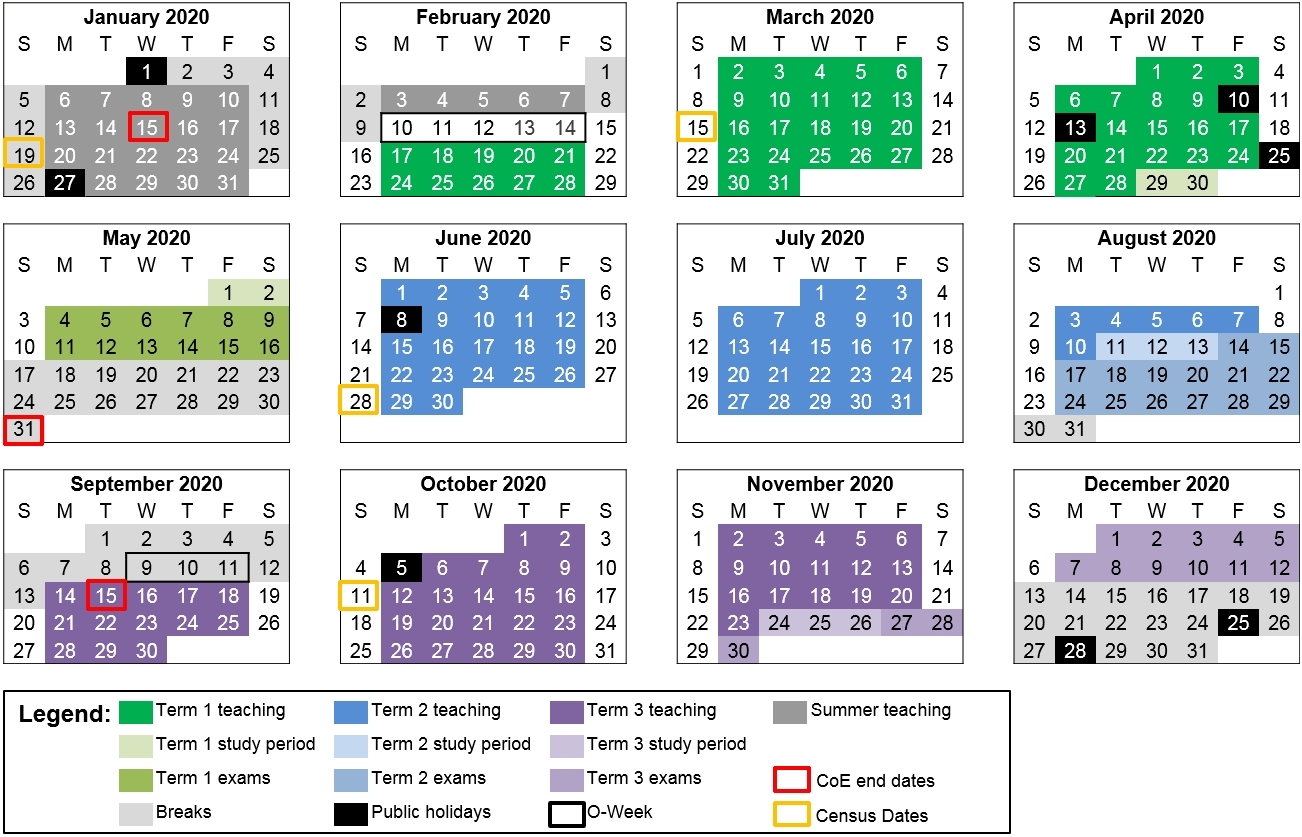
The academic calendar may also include special events such as conferences, workshops, and guest lectures. These events provide opportunities for students to learn about new research, network with professionals in their field, and gain valuable insights from experts.
Attending special events can have numerous benefits, including:
- Expanding knowledge and skills in a specific area of interest.
- Gaining exposure to cutting-edge research and industry trends.
- Building connections with professionals in the field.
- Exploring potential career opportunities.
Conferences
Conferences are typically multi-day events that bring together researchers, professionals, and students from a specific field. They feature presentations on the latest research findings, panel discussions, and workshops.
Attending conferences allows students to:
- Learn about the latest research in their field.
- Meet and network with researchers and professionals.
- Present their own research findings.
- Explore potential career opportunities.
Workshops
Workshops are typically shorter events that focus on a specific topic or skill. They are often led by experts in the field and provide hands-on training and practical experience.
Attending workshops allows students to:
- Gain practical experience in a specific area.
- Learn from experts in the field.
- Network with other students and professionals.
- Enhance their skills and knowledge.
Guest Lectures
Guest lectures are typically one-time events where an expert in a specific field is invited to speak to students. These lectures provide an opportunity for students to learn from leading professionals and gain insights into the latest trends and developments in the field.
Attending guest lectures allows students to:
- Learn from leading experts in the field.
- Gain insights into the latest trends and developments.
- Ask questions and engage with the speaker.
- Broaden their perspectives and knowledge.
Academic Deadlines: Unwsp Academic Calendar
Academic deadlines are crucial dates that serve as milestones for students throughout the semester. Meeting these deadlines ensures timely completion of assignments, projects, and exams, contributing to overall academic success.
Failure to adhere to deadlines can result in penalties such as reduced grades, loss of credit, or even academic probation. Therefore, it is essential to familiarize yourself with all deadlines and plan accordingly.
Assignment Due Dates
- All assignments have specific due dates set by the instructor.
- These dates are typically included in the course syllabus or announced in class.
- Submitting assignments on time demonstrates responsibility, organization, and respect for the instructor’s schedule.
Project Submission Dates
- Major projects, such as research papers or presentations, have specific submission dates.
- These dates provide ample time for students to complete the project thoroughly.
- Meeting project submission deadlines ensures that students receive timely feedback and have the opportunity to make necessary revisions.
Exam Scheduling
- Exams are scheduled throughout the semester to assess student learning.
- Exam dates are typically announced in advance, allowing students to prepare adequately.
- Adhering to exam schedules ensures that students have ample time to study and perform to the best of their abilities.
Registration Deadlines, Unwsp academic calendar
- Students must register for courses by specific deadlines to secure their place in classes.
- Late registration may result in additional fees or limited course availability.
- Meeting registration deadlines ensures that students have access to the courses they need to progress in their academic journey.
Holidays and Breaks
- Holidays and breaks are designated periods of time when the university is closed.
- These periods provide students with time to rest, recharge, and catch up on any missed work.
- Being aware of holidays and breaks helps students plan their schedules and avoid potential conflicts.
Special Events
- Special events, such as guest lectures, workshops, or conferences, may be scheduled throughout the semester.
- These events provide students with opportunities to engage with experts, learn about new topics, and expand their knowledge.
- Attending special events can enhance students’ academic experience and contribute to their overall personal and professional development.
University Closures
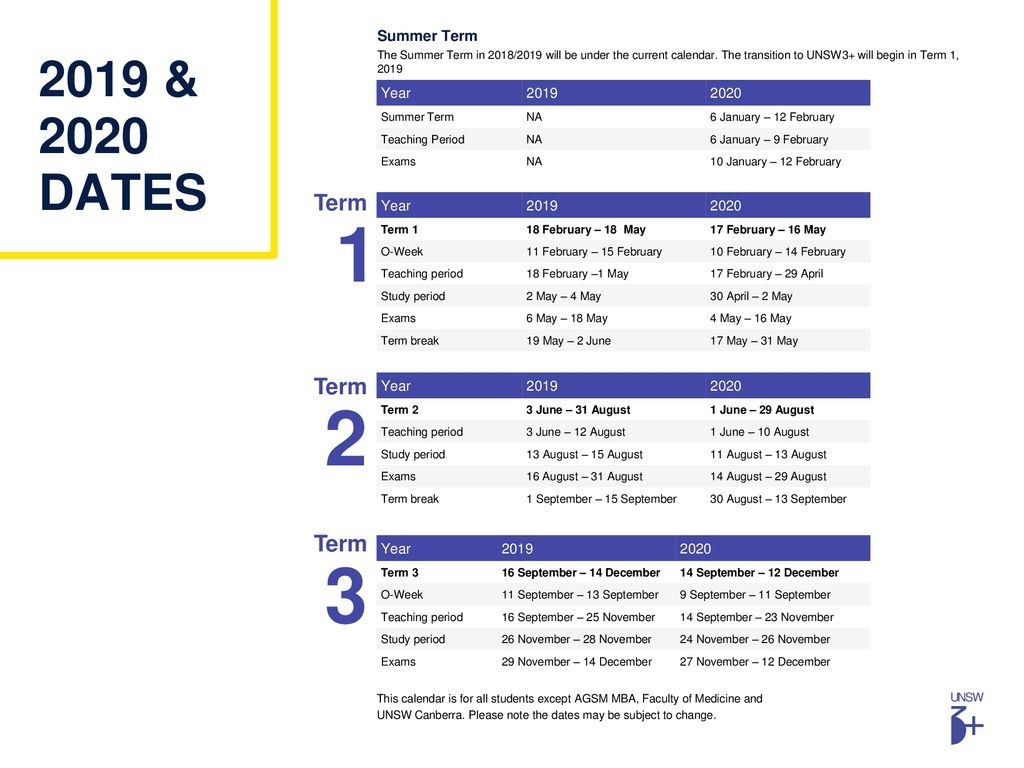
The university may close or reduce operations on certain days throughout the academic year for holidays, special events, or other reasons. It’s essential to be aware of these closures to plan accordingly and avoid disruptions to your academic schedule.
The following table summarizes the university closures and their impact on academic activities:
| Date | Reason | Impact on Academic Activities |
|---|---|---|
| [Date] | [Reason] | [Impact on Academic Activities] |
| [Date] | [Reason] | [Impact on Academic Activities] |
Frequently Asked Questions (FAQs) About University Closures
- When will the university be closed?The university will be closed on [dates] for [reasons].
- Will classes be held on closure days?No, classes will not be held on closure days.
- What if I have an exam scheduled on a closure day?Exams scheduled on closure days will be rescheduled. Contact your professor or the registrar’s office for more information.
- How can I get more information about university closures?You can get more information about university closures by visiting the university website or contacting the registrar’s office.
Contact Information
For more information about university closures, please contact the registrar’s office at [phone number] or [email address].
Accessibility and Inclusivity
The academic calendar is designed to be accessible and inclusive, supporting students with diverse needs. Accessibility features include:
- Screen reader compatibility
- Alternative text for images
- Closed captions for videos
Inclusive practices include:
- Accommodating students with disabilities
- Providing flexible learning options
- Creating a welcoming and supportive learning environment
Accommodating Students with Disabilities
Students with disabilities can request accommodations through the university’s Disability Services office. Accommodations may include:
- Extended time on exams
- Note-taking assistance
- Assistive technology
Providing Flexible Learning Options
The university offers a variety of flexible learning options, including:
- Online courses
- Hybrid courses
- Independent study
These options allow students to learn at their own pace and in a way that meets their needs.
Creating a Welcoming and Supportive Learning Environment
The university is committed to creating a welcoming and supportive learning environment for all students. This includes:
- Providing resources and support services for students from diverse backgrounds
- Encouraging open and respectful dialogue
- Promoting a culture of inclusivity
Digital Calendar Integration
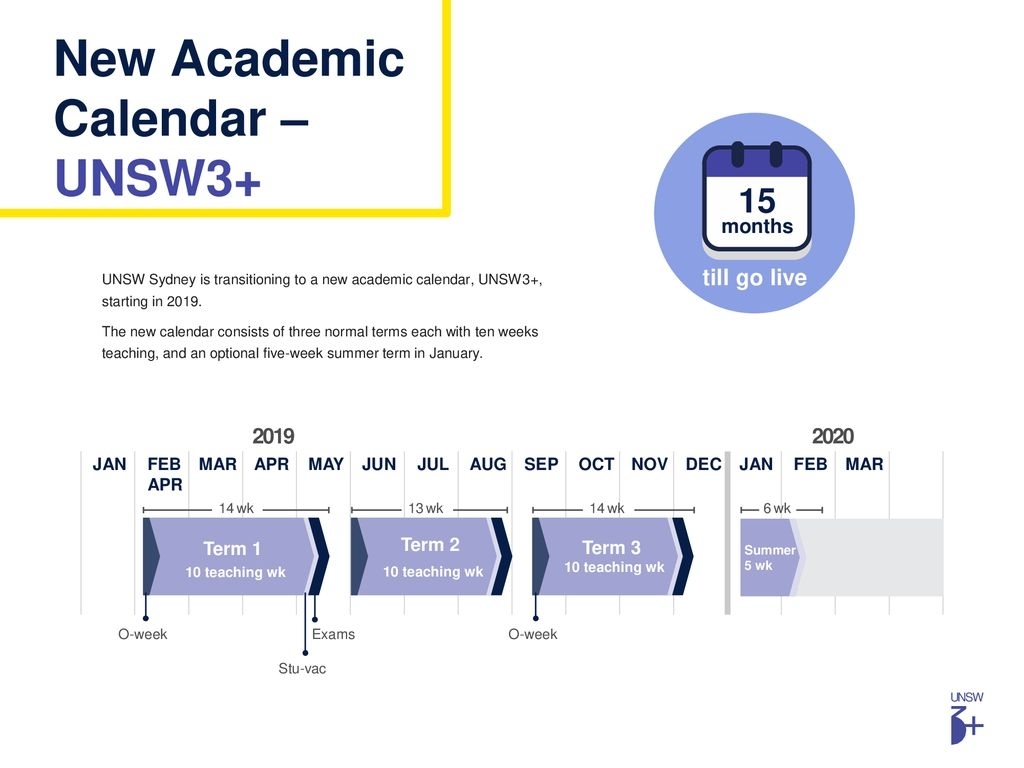
Integrating the academic calendar with digital calendars is a convenient way to stay organized and manage your academic schedule. Digital calendars offer a variety of features that can help you stay on top of your classes, assignments, and exams.
To integrate the academic calendar with your digital calendar, follow these steps:
- Open your digital calendar.
- Click on the “Add calendar” button.
- Enter the URL of the academic calendar.
- Click on the “Add calendar” button.
Once the academic calendar is integrated with your digital calendar, you will be able to view all of your classes, assignments, and exams in one place. You can also set up reminders for important dates and deadlines.
Benefits of Using Digital Calendars
There are many benefits to using digital calendars for managing your academic schedule. Some of the benefits include:
- Convenience:Digital calendars are convenient and easy to use. You can access your calendar from anywhere with an internet connection.
- Organization:Digital calendars help you stay organized by keeping all of your important dates and deadlines in one place.
- Reminders:Digital calendars can send you reminders for important dates and deadlines. This can help you avoid missing any important events.
- Sharing:Digital calendars can be shared with others. This can be helpful for coordinating schedules with classmates or group members.
Customization and Flexibility
The academic calendar offers a high level of customization and flexibility to meet the diverse needs of students. You can adjust the calendar to suit your individual learning styles and preferences.
Adjusting the Calendar
* Add or remove events:You can add important events, such as assignments, exams, or personal appointments, to the calendar. You can also remove events that are no longer relevant.
Change the view
The calendar can be viewed in different ways, such as by day, week, or month. You can choose the view that works best for you.
Set reminders
You can set reminders for upcoming events to ensure you don’t miss important deadlines.
Export the calendar
The UNWSP academic calendar provides important dates and deadlines for students and faculty. To view the academic calendar for Transylvania University, please visit their website at transylvania academic calendar. The UNWSP academic calendar can be found on the university’s website as well.
You can export the calendar to your preferred format, such as iCal or Google Calendar, for easy access on other devices.
Examples of Customization
* Accommodating different learning styles:Visual learners can use the calendar to create color-coded categories for different subjects or tasks. Auditory learners can add audio recordings of lectures or notes to events.
Managing workload
Students with a heavy workload can use the calendar to plan their time effectively and avoid feeling overwhelmed.
Tracking progress
The calendar can be used to track your progress throughout the semester. You can mark off completed tasks and assignments to stay motivated and on schedule.
Table of Customization Options
| Option | Impact on Calendar ||—|—|| Add events | Adds events to the calendar || Remove events | Removes events from the calendar || Change view | Changes the way the calendar is displayed || Set reminders | Sets reminders for upcoming events || Export calendar | Exports the calendar to a preferred format |
Creating a Personalized Learning Experience
The academic calendar can be used to create a personalized learning experience by:* Tailoring the calendar to your specific needs:Adjust the calendar to fit your learning style, schedule, and workload.
Integrating with other tools
Use the calendar in conjunction with other tools, such as note-taking apps or task managers, to enhance its functionality.
Sharing the calendar with others
Share the calendar with classmates or study groups to coordinate schedules and collaborate on projects.
Academic Advising
Academic advisors play a crucial role in helping students navigate the academic calendar. They provide guidance on course scheduling, academic planning, and time management. By meeting with an advisor regularly, students can stay on track to graduate on time.
Role of Academic Advisors
Academic advisors are assigned to students based on their major or program of study. They are a valuable resource for students who need help with:
- Course selection
- Academic planning
- Time management
- Understanding university policies and procedures
- Connecting with other university resources
Seeking Guidance from Advisors
Students should make an appointment to meet with their advisor at least once a semester. During these meetings, students can discuss their academic goals, review their progress, and make any necessary adjustments to their academic plan. Advisors can also help students with:
- Creating a course schedule that meets their needs
- Choosing courses that fit into their academic plan
- Managing their time effectively
- Understanding university policies and procedures
- Connecting with other university resources
Benefits of Meeting with an Academic Advisor
There are many benefits to meeting with an academic advisor on a regular basis. These benefits include:
- Staying on track to graduate on time
- Making informed decisions about your academic career
- Getting support and guidance from a trusted advisor
- Connecting with other university resources
- Improving your overall academic experience
Continuous Improvement

The academic calendar is continuously reviewed and updated to ensure its effectiveness. Feedback is gathered from students and faculty through surveys, focus groups, and meetings. This feedback is used to identify areas for improvement, such as the timing of exams, the length of breaks, and the availability of courses.
The review and update process is overseen by a committee of faculty and staff, who meet regularly to discuss feedback and make recommendations for changes. The calendar is updated annually, and major changes are made every three to five years.
Examples of how feedback has been used to improve the academic calendar in the past:
* In response to student feedback, the university extended the spring break by one week.
- In response to faculty feedback, the university moved the final exam period to a later date.
- In response to feedback from both students and faculty, the university added more online courses to the schedule.
Closure
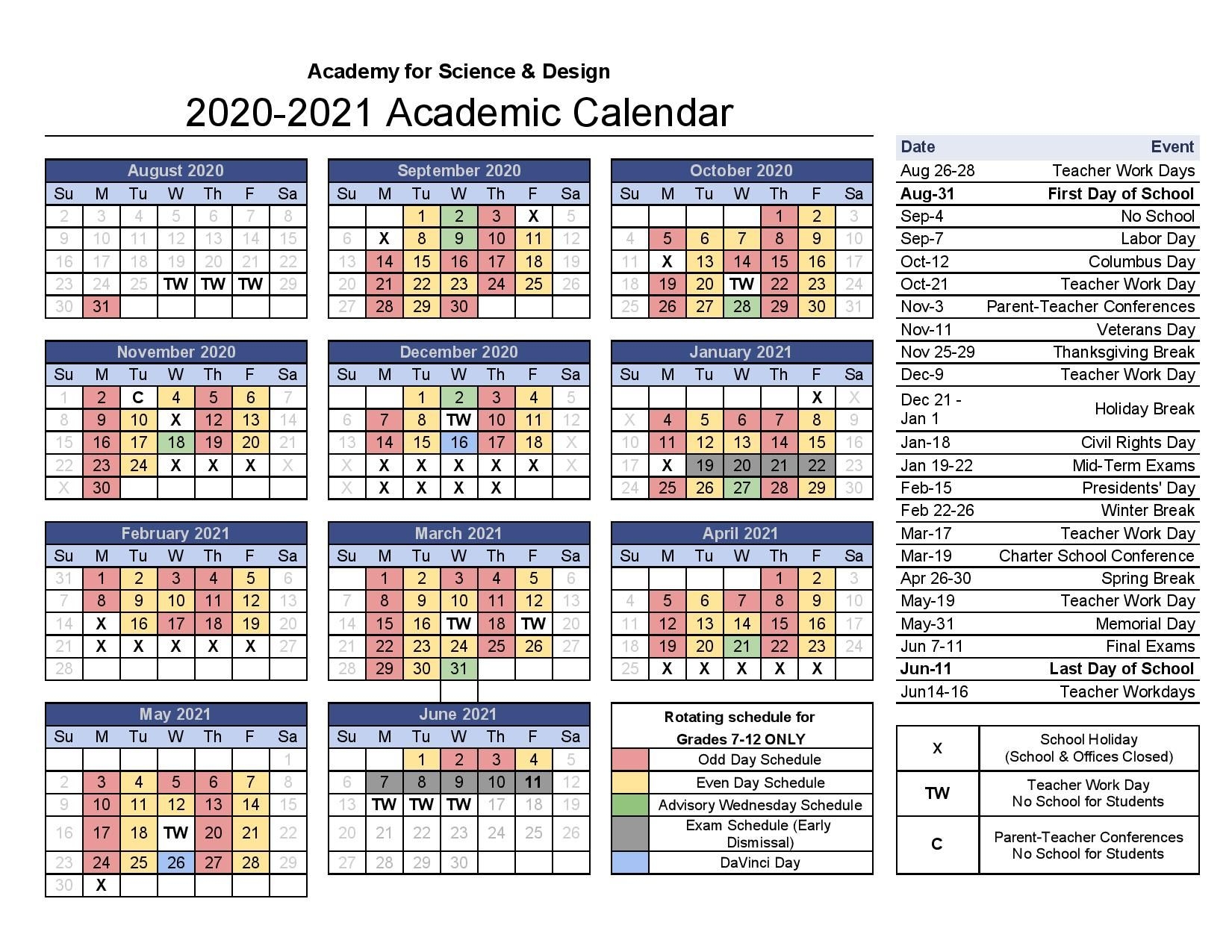
By understanding and utilizing the unwsp academic calendar effectively, students can navigate their academic journey with confidence and achieve their educational goals. This guide has provided a comprehensive overview of the calendar, empowering students with the knowledge and strategies they need to succeed.
Expert Answers
What is the purpose of the unwsp academic calendar?
The unwsp academic calendar provides a comprehensive overview of important dates, deadlines, and events throughout the academic year, helping students plan their coursework, manage their time, and stay on top of their studies.
How can I schedule my courses effectively using the unwsp academic calendar?
The unwsp academic calendar can be used to identify available course offerings, plan course sequences, and avoid scheduling conflicts. Students should consider their workload, learning preferences, and other commitments when scheduling their courses.
What is the process for scheduling exams within the unwsp academic calendar?
The unwsp academic calendar includes designated exam periods. Students should consult the calendar to identify exam dates and plan their study schedules accordingly.
What are the registration deadlines for unwsp courses?
Registration deadlines are typically published in the unwsp academic calendar. Students should be aware of these deadlines and register for their courses on time to avoid late fees or course cancellations.
How can I access the unwsp academic calendar?
The unwsp academic calendar is typically available online on the university website or through a mobile app. Students can also obtain a printed copy from the registrar’s office.
