Welcome to the ultimate guide to the Ramapo academic calendar! Whether you’re a new student navigating the complexities of college life or a returning student seeking to optimize your academic journey, this comprehensive resource has everything you need to stay organized, informed, and on top of your studies.
In this guide, we’ll cover everything from key dates and deadlines to course registration, holidays and breaks, and much more. With clear explanations, helpful tips, and essential information, this guide will empower you to make the most of your time at Ramapo College.
Academic Calendar Overview
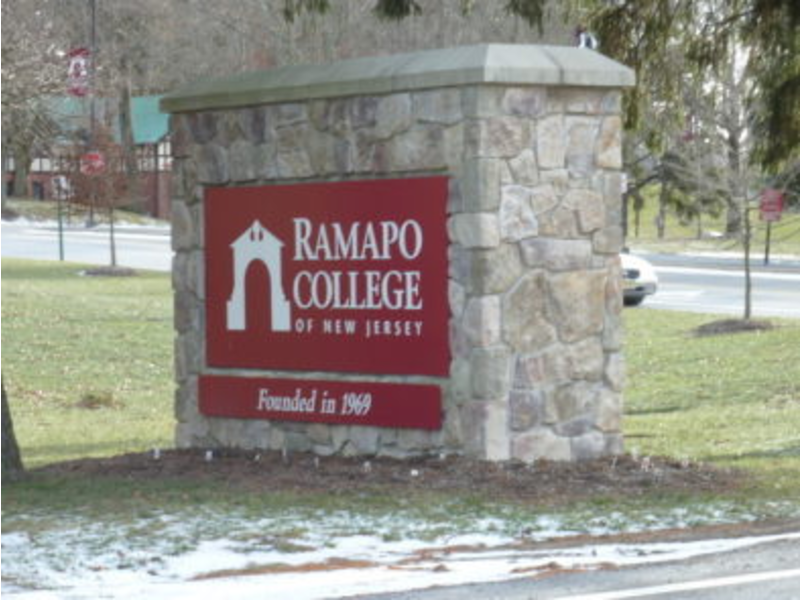
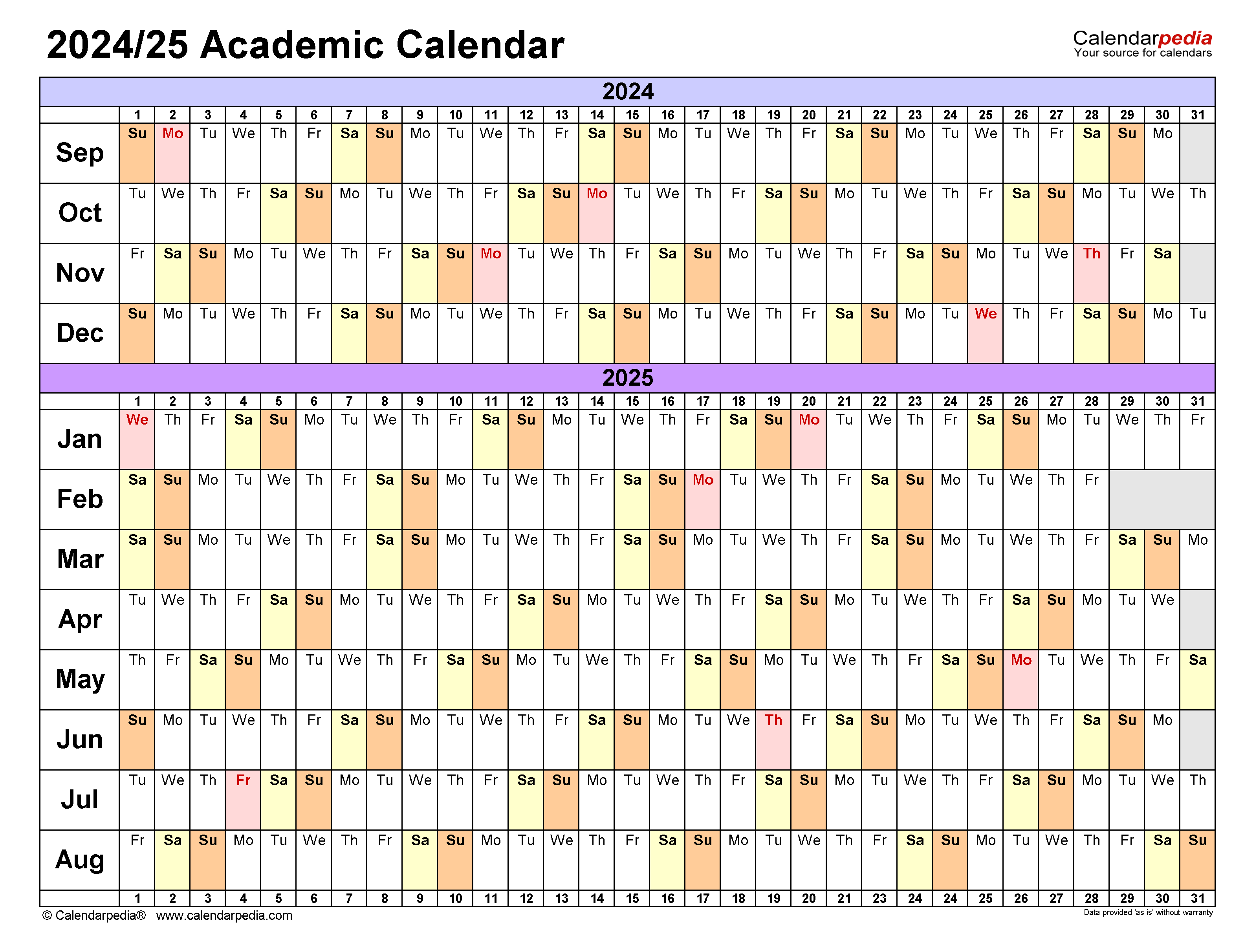
The Ramapo College academic calendar provides a comprehensive overview of all important dates and deadlines for the academic year. It is essential for students to familiarize themselves with the calendar to ensure they are aware of key dates and avoid missing important deadlines.The academic year is divided into two semesters: the fall semester and the spring semester.
Each semester is further divided into two terms: the A-term and the B-term. The A-term typically runs from late August to mid-December, while the B-term runs from early January to mid-May.The following table summarizes the key dates and deadlines for each term and semester:| Term | Start Date | End Date | Key Dates and Deadlines ||—|—|—|—|| Fall A-term | Late August | Mid-December | First day of classes, add/drop period, midterm exams, final exams || Fall B-term | Early January | Mid-May | First day of classes, add/drop period, midterm exams, final exams || Spring A-term | Late August | Mid-December | First day of classes, add/drop period, midterm exams, final exams || Spring B-term | Early January | Mid-May | First day of classes, add/drop period, midterm exams, final exams |Students can find the academic calendar on the Ramapo College website.
The calendar is also available in a printable format.
Ramapo College has a well-structured academic calendar that outlines important dates and deadlines for students. For a comparative perspective, you may also want to check out the ecsu academic calendar to see how it aligns with Ramapo’s schedule. Understanding the academic calendar is crucial for planning your coursework, exams, and other important events during your academic journey at Ramapo College.
Key Dates and Deadlines
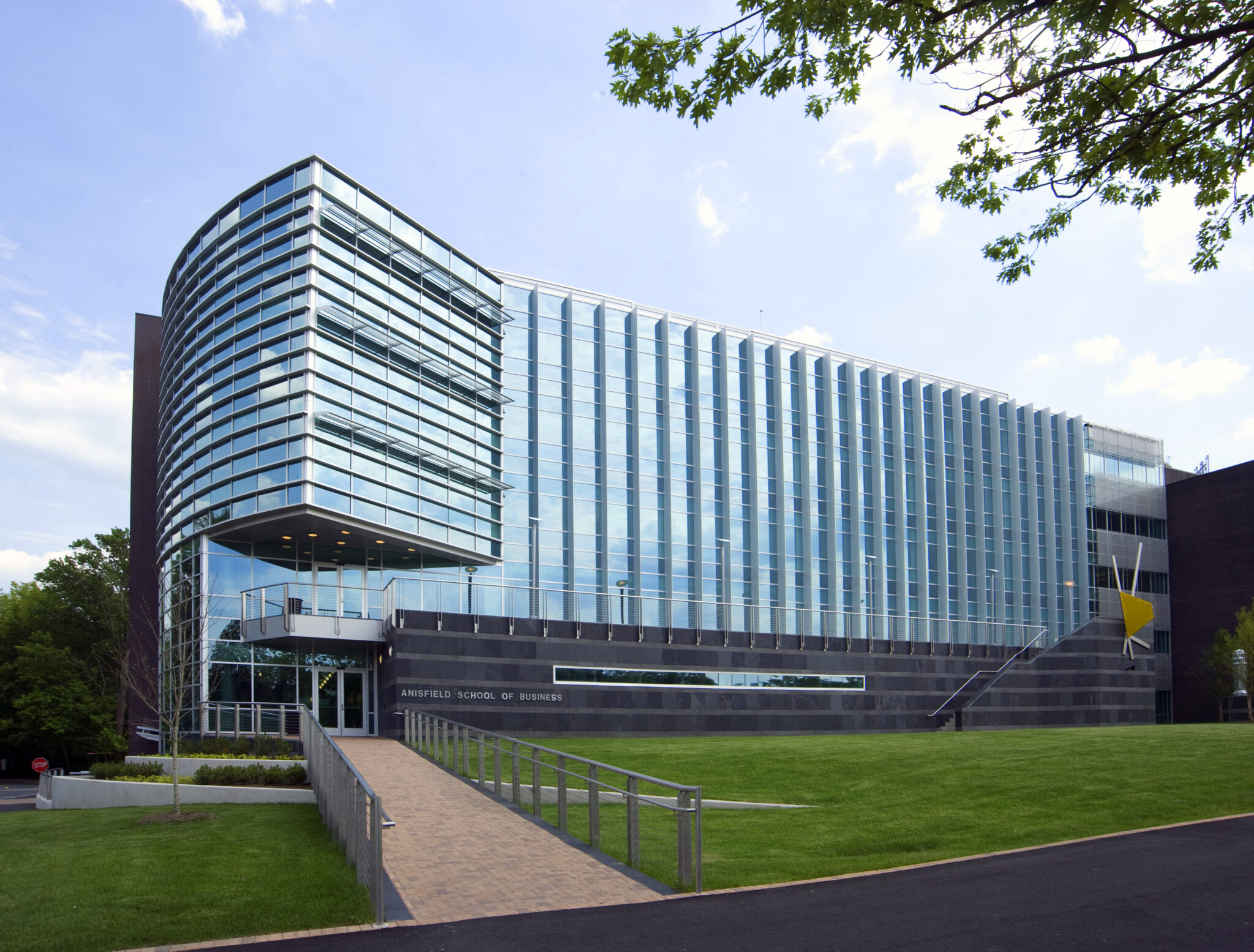
Keep track of important dates and deadlines throughout the academic year to ensure a smooth and successful semester.
Refer to the table below for a comprehensive overview of key dates and deadlines:
Registration
- Early Registration:[date] – [date]
- Regular Registration:[date] – [date]
- Late Registration:[date] – [date] (with late fees)
Add/Drop Periods
- Add Period:[date] – [date]
- Drop Period:[date] – [date]
Exam Schedules
- Midterm Exams:[date] – [date]
- Final Exams:[date] – [date]
Course Schedules
Accessing course schedules and registering for classes is crucial for planning your academic journey at Ramapo College. Here’s a comprehensive guide to help you navigate the process seamlessly.
To begin, you’ll need to familiarize yourself with the online course catalog, which provides a detailed listing of all courses offered each semester. Once you’ve identified the courses you’re interested in, you can use the schedule builder tool to create a tentative schedule that fits your preferences.
Registering for Classes
Once you’ve finalized your course selections, it’s time to register for classes. The registration process typically opens several weeks before the start of each semester. To register, you’ll need to log into the student portal and follow the instructions provided.
- Select the courses you want to register for from the course catalog.
- Add the courses to your shopping cart.
- Review your selections and submit your registration.
It’s important to note that course availability and registration deadlines vary depending on your academic standing and major. Always refer to the official academic calendar for the most up-to-date information.
Holidays and Breaks
Ramapo College recognizes a variety of official holidays and academic breaks throughout the year. These breaks provide students with opportunities to rest, recharge, and catch up on their studies.
Holidays and breaks can impact academic schedules in several ways. Class schedules may be adjusted to accommodate the break, and assignment deadlines and exam dates may be shifted. It’s important for students to be aware of the academic calendar and to plan accordingly.
Official Holidays and Academic Breaks
- Fall Break:Typically occurs in mid-October for a duration of one week.
- Thanksgiving Break:Begins the Wednesday before Thanksgiving and ends the following Sunday.
- Winter Break:Begins the week before Christmas and ends the first week of January.
- Spring Break:Typically occurs in mid-March for a duration of one week.
- Memorial Day Break:Begins the Friday before Memorial Day and ends the following Monday.
- Summer Break:Begins at the end of the spring semester and lasts until the start of the fall semester.
Religious Holidays
Ramapo College respects the religious observances of its students. Students who need to observe a religious holiday should notify their professors in advance. The university will make reasonable accommodations to allow students to observe their religious holidays.
Impact on Student Life
Holidays and breaks can have a significant impact on student life. Many students use breaks to travel, spend time with family and friends, or pursue personal interests. Breaks can also be a time for students to catch up on their studies or to work on projects.
It’s important for students to plan their time wisely during breaks to ensure that they are able to balance their academic and personal responsibilities.
Tips for Managing Academic Workload
- Plan ahead.Make sure to check the academic calendar and note the dates of upcoming holidays and breaks. Plan your coursework accordingly to avoid conflicts.
- Communicate with your professors.If you know that you will be away during a holiday or break, be sure to notify your professors in advance. They may be able to provide you with alternative assignments or deadlines.
- Take advantage of breaks.Breaks can be a great time to catch up on your studies or to work on projects. Use your time wisely and make the most of your breaks.
Academic Policies
Academic policies provide guidelines for students’ academic performance and behavior. These policies cover areas such as attendance, grading, and withdrawal deadlines. It is essential to be aware of these policies to succeed academically and avoid any potential consequences.
The following are some key academic policies related to the academic calendar:
Attendance Policy
- Attendance is mandatory for all classes.
- Excessive absences may result in a failing grade or being dropped from the course.
- Students are responsible for contacting their professors if they are absent.
Grading Policy
- Grades are based on a combination of factors, such as exams, assignments, and participation.
- Grading scales vary by course and professor.
- Students should refer to their course syllabi for specific grading policies.
Withdrawal Deadlines
- Students have a specific deadline to withdraw from a course without penalty.
- Withdrawing after the deadline may result in a failing grade.
- Students should consult the academic calendar for withdrawal deadlines.
Events and Activities
The academic year at Ramapo College is punctuated by a vibrant calendar of events and activities that enrich the campus community. These events foster a sense of belonging, promote student engagement, and showcase the college’s diverse offerings.
Major Events
Ramapo’s major events include:
- Orientation:A week-long program for new students that introduces them to college life, academics, and campus resources.
- Commencement:A ceremony honoring graduating students and celebrating their academic achievements.
- Cultural Celebrations:Events that showcase the diversity of the campus community, including Diwali, Lunar New Year, and Black History Month.
- Conferences and Lectures:Academic gatherings featuring renowned scholars, industry experts, and thought leaders.
- Athletic Events:Home games for the Roadrunners, Ramapo’s athletic teams, provide opportunities for student athletes to showcase their skills and for the community to come together in support.
- Student Life Events:Concerts, performances, club meetings, and social gatherings that promote student engagement and a sense of community.
Significance of Events
These events contribute to the campus community by:
- Providing opportunities for students to connect with each other, faculty, and staff.
- Celebrating student achievements and milestones.
- Showcasing the college’s commitment to diversity, inclusion, and academic excellence.
- Enhancing the student experience by providing intellectual, cultural, and social enrichment.
- Fostering a sense of belonging and community among students, faculty, and staff.
Calendar of Events
A comprehensive calendar of events is available on the Ramapo College website. Key dates and deadlines are also highlighted in the Academic Calendar Overview section.
Special Traditions and Rituals
Ramapo has several special traditions and rituals associated with its events:
- Orientation:The “Roadrunner Run” is a symbolic run that welcomes new students to campus.
- Commencement:Graduates wear caps and gowns decorated with their own unique designs.
- Cultural Celebrations:Traditional dances, music, and food are shared to celebrate diverse cultures.
- Conferences and Lectures:Distinguished speakers are often honored with a reception or dinner.
- Athletic Events:The Roadrunners mascot leads cheers and rallies the crowd at home games.
- Student Life Events:Club meetings and social gatherings often have unique themes or activities.
Community Building
Events and activities play a crucial role in fostering a sense of community and belonging among students. They provide opportunities for students to connect with each other, participate in campus life, and feel a sense of pride and ownership.
Challenges and Opportunities
Planning and hosting these events involves challenges such as securing funding, coordinating logistics, and ensuring accessibility for all students. However, these events also present opportunities to showcase the college’s strengths, engage the community, and create lasting memories for students.
Resources for Students
Navigating the academic calendar can be a daunting task, but there are resources available to help you succeed.These resources can provide support in various ways, such as helping you plan your schedule, understand academic policies, and access academic support.
Academic Advising
Academic advisors are available to help you with course selection, degree planning, and other academic matters. They can also provide guidance on academic policies and procedures.
Tutoring
Tutoring services can provide you with additional support in specific subjects. Tutors can help you understand difficult concepts, improve your study skills, and prepare for exams.
Library
The library is a valuable resource for students. It provides access to books, articles, and other materials that can help you with your studies. The library also offers a variety of services, such as research assistance and interlibrary loan.
Faculty Resources
Ramapo College provides a range of resources to support faculty in planning their courses and meeting academic deadlines. These resources are designed to enhance teaching effectiveness and student learning outcomes.
One key resource is the Faculty Development Center (FDC). The FDC offers workshops, seminars, and individual consultations on a variety of topics related to teaching and learning. Faculty can also access online resources, such as the FDC’s Teaching Resource Library, which provides a wealth of information on best practices in teaching.
Course Planning Tools
The college also provides a number of course planning tools to help faculty develop and manage their courses. These tools include the Course Management System (CMS), which allows faculty to create and deliver online content, track student progress, and communicate with students.
The CMS also integrates with other college systems, such as the library and the registrar’s office, to provide faculty with access to a wide range of resources.
Academic Support Services
In addition to these resources, the college also provides a number of academic support services to faculty. These services include the Writing Center, which offers writing support to faculty and students, and the Math Lab, which provides tutoring and other support services to students in mathematics courses.
Benefits of Faculty Resources
The faculty resources available at Ramapo College have been shown to enhance teaching effectiveness. A study by the FDC found that faculty who participated in FDC workshops and seminars were more likely to use effective teaching practices and reported higher levels of student satisfaction.
| Resource | Benefits |
|---|---|
| Faculty Development Center | Workshops, seminars, individual consultations, online resources |
| Course Management System | Online content creation and delivery, student progress tracking, communication |
| Academic Support Services | Writing Center, Math Lab, tutoring, other support |
Administrative Resources
To ensure the smooth implementation of the academic calendar, administrators have access to various resources, including technology tools, training and professional development opportunities, and collaboration with faculty and staff.
These resources play a crucial role in supporting the overall operation of the college by enhancing efficiency and accuracy in calendar management, facilitating communication and coordination among stakeholders, and promoting a positive and productive learning environment.
Technology Tools
Administrators utilize a range of technology tools, such as software and online platforms, to manage the academic calendar effectively. These tools assist in tasks such as:
- Scheduling and managing classes, events, and activities
- Tracking student enrollment and attendance
- Generating reports and analyzing data
- Communicating with faculty, staff, and students
Training and Professional Development
Administrators have access to training and professional development opportunities to enhance their skills in academic calendar management. These opportunities may include:
- Workshops and seminars on best practices in calendar management
- Online courses and tutorials on relevant software and technologies
- Mentoring and coaching from experienced administrators
Collaboration with Faculty and Staff
Collaboration with faculty and staff is essential for the successful implementation of the academic calendar. Administrators work closely with these stakeholders to:
- Gather input and feedback on calendar proposals
- Coordinate course scheduling and room assignments
- Address any concerns or issues that may arise
Historical Perspective

The Ramapo College academic calendar has undergone several significant changes and milestones over the years. The evolution of the calendar reflects the institution’s commitment to providing a flexible and responsive academic environment that meets the needs of its students and faculty.
Major changes to the calendar have been driven by factors such as enrollment growth, the addition of new academic programs, and the need to align with regional and national academic standards. The following timeline highlights some of the key events in the history of the Ramapo academic calendar:
Timeline of Significant Events
| Date | Event | Rationale |
|---|---|---|
| 1971 | Ramapo College is founded. | The academic calendar is established based on a traditional semester system. |
| 1980 | Ramapo College adopts a quarter system. | The change is made to provide students with greater flexibility and to accommodate the growing enrollment. |
| 1990 | Ramapo College returns to a semester system. | The change is made to align with regional and national academic standards and to provide students with a more consistent academic experience. |
| 2000 | Ramapo College implements a rolling admissions policy. | The change allows students to apply to the college at any time during the year. |
| 2010 | Ramapo College launches its online learning program. | The change provides students with greater flexibility and access to education. |
– Compare the Ramapo academic calendar to the calendars of at least three other similar institutions.
The Ramapo academic calendar is similar to the calendars of other similar institutions in many ways. All of the institutions have two semesters, each of which is about 15 weeks long. All of the institutions also have a winter break, a spring break, and a summer break.
There are also some differences between the Ramapo academic calendar and the calendars of other similar institutions. For example, Ramapo has a shorter winter break than some other institutions. Ramapo also has a longer spring break than some other institutions.
Best Practices
There are a number of best practices that Ramapo could adopt from other institutions. For example, Ramapo could consider adopting a shorter winter break and a longer spring break. Ramapo could also consider adding a fall break to its academic calendar.
Table: Key Findings
| Feature | Ramapo | Institution A | Institution B | Institution C ||—|—|—|—|—|| Number of semesters | 2 | 2 | 2 | 2 || Length of semesters | 15 weeks | 15 weeks | 15 weeks | 15 weeks || Winter break | 2 weeks | 3 weeks | 2 weeks | 3 weeks || Spring break | 1 week | 2 weeks | 1 week | 1 week || Summer break | 12 weeks | 12 weeks | 12 weeks | 12 weeks || Fall break | No | Yes | No | Yes |
Summary
The Ramapo academic calendar is similar to the calendars of other similar institutions in many ways. However, there are also some differences between the Ramapo academic calendar and the calendars of other similar institutions. Ramapo could consider adopting some of the best practices from other institutions, such as a shorter winter break, a longer spring break, and a fall break.
Impact on Student Life
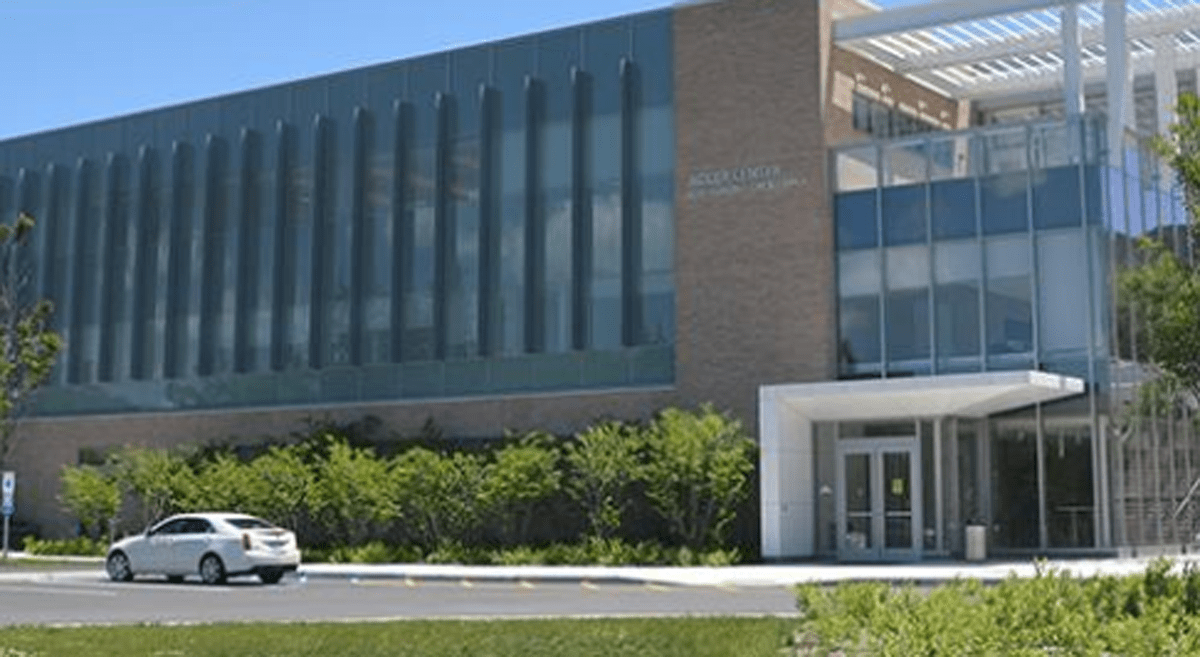
The Ramapo academic calendar significantly influences student life, affecting social activities, extracurricular involvement, and work-life balance.
During the academic year, students are immersed in coursework and assignments, leaving less time for social activities and extracurricular commitments. The calendar’s structure, with its semesters and breaks, dictates the availability of time for student life.
Social Activities
The academic calendar affects students’ participation in social events and activities. During the semesters, students may have limited opportunities to engage in social gatherings or off-campus events due to academic obligations. However, breaks and holidays provide dedicated time for students to socialize, relax, and recharge.
Extracurricular Involvement
The calendar also impacts students’ involvement in extracurricular activities. Clubs, organizations, and athletic teams often have schedules that align with the academic year. Students may need to balance their academic responsibilities with their extracurricular commitments, which can be challenging during busy periods of the semester.
Work-Life Balance
The academic calendar can influence students’ work-life balance. During semesters, students may prioritize academics over part-time work or personal commitments. Breaks and holidays, on the other hand, provide opportunities for students to catch up on work or personal responsibilities.
Impact on Faculty Workload: Ramapo Academic Calendar

The academic calendar has a significant impact on faculty workload, as it determines the pace and timing of teaching, research, and service responsibilities. A well-designed calendar can help to optimize faculty workload and maintain a healthy work-life balance, while a poorly designed calendar can lead to excessive stress and burnout.
One of the most important factors to consider when designing an academic calendar is the teaching load. The number of courses that faculty are expected to teach, the size of their classes, and the amount of preparation time required for each course can all have a significant impact on their workload.
It is important to ensure that faculty are given a reasonable teaching load that allows them to provide quality instruction to their students while also maintaining a healthy work-life balance.
In addition to teaching, faculty are also expected to conduct research and engage in service activities. The amount of time that faculty are able to devote to these activities can be significantly impacted by the academic calendar. For example, a calendar that includes a long summer break may give faculty more time to conduct research, while a calendar that includes a shorter summer break may give faculty more time to engage in service activities.
If you’re looking for the Ramapo College academic calendar, you can find it online. For those interested in Akron University’s academic calendar, it can be found here. Once you’re on the Ramapo College website, click on the “Academics” tab and then select “Academic Calendar.” This will take you to a page with a list of all the important dates for the current academic year.
Optimizing Faculty Workload
There are a number of ways to optimize faculty workload and maintain a healthy work-life balance. One important strategy is to create a realistic teaching schedule. Faculty should be given a reasonable number of courses to teach, and the size of their classes should be manageable.
Faculty should also be given adequate preparation time for each course. Another important strategy is to provide faculty with support for their research and service activities. This support can include funding, access to research facilities, and administrative assistance.
Maintaining a Healthy Work-Life Balance
It is also important for faculty to take steps to maintain a healthy work-life balance. This includes setting boundaries between work and personal time, taking breaks throughout the day, and getting enough sleep. Faculty should also make time for activities that they enjoy, such as spending time with family and friends, exercising, or pursuing hobbies.
Technological Innovations
Technology has become an integral part of the academic calendar, enhancing its accessibility and usability for students and faculty.Online platforms and mobile applications have revolutionized the way students access and manage their academic schedules. Through these platforms, students can view course schedules, register for classes, and make changes to their schedules with ease.
These platforms also provide real-time updates on class cancellations, schedule changes, and other important announcements.
Scheduling and Registration
Online scheduling and registration systems have streamlined the process of creating and managing academic calendars. Faculty can easily create and publish course schedules, while students can browse and select courses that fit their needs and availability. The automated nature of these systems reduces errors and saves time for both students and faculty.
Communication
Technology has also improved communication between students, faculty, and administrators. Email, instant messaging, and discussion boards allow for quick and efficient communication regarding schedule changes, course updates, and other important announcements. This real-time communication helps ensure that everyone is informed and up-to-date.
Data Analytics
Data analytics tools can be used to analyze academic calendar data and identify patterns and trends. This information can be used to make informed decisions about scheduling, course offerings, and other academic matters. For example, data analysis can help identify peak registration times, which can be used to adjust the registration process and reduce waitlists.
Future Trends
The academic calendar is constantly evolving to meet the changing needs of students, faculty, and administrators. As technology advances and educational models change, we can expect to see even more innovation in the design and implementation of academic calendars.
One of the most significant trends in academic calendar design is the move towards greater flexibility. Traditional academic calendars are often rigid, with set start and end dates for each semester or quarter. However, more and more institutions are adopting flexible calendars that allow students to customize their academic experience.
For example, some institutions offer year-round enrollment, allowing students to start and finish their programs at any time. Others offer modular scheduling, which allows students to take courses in shorter, more manageable blocks.
Impact of Emerging Technologies
Emerging technologies are also having a major impact on the academic calendar. Online learning, for example, is becoming increasingly popular, and many institutions are now offering online courses and programs. This allows students to learn at their own pace and on their own schedule, which can be a major advantage for working adults or students with other commitments.
Other emerging technologies, such as artificial intelligence (AI) and virtual reality (VR), are also being used to enhance the academic experience. AI can be used to personalize learning experiences for individual students, while VR can be used to create immersive learning environments.
Changing Educational Models, Ramapo academic calendar
The changing educational landscape is also driving innovation in academic calendar design. As more and more students pursue higher education, institutions are looking for ways to make their programs more accessible and affordable. This has led to the development of new educational models, such as competency-based education and stackable credentials.
Competency-based education focuses on assessing student learning outcomes rather than seat time. This allows students to progress through their programs at their own pace, regardless of how long it takes them to master the material. Stackable credentials are smaller, more focused credentials that can be earned in a shorter period of time.
This allows students to build their skills and knowledge gradually, and to earn credentials that are relevant to their career goals.
Final Review
Navigating the academic calendar can be a daunting task, but with the help of this guide, you’ll have all the tools and knowledge you need to succeed. So, whether you’re planning your course schedule, preparing for exams, or simply trying to stay on top of your assignments, refer to this guide for expert advice and support throughout your academic journey.
Quick FAQs
What are the key dates and deadlines for the upcoming semester?
You can find a table summarizing key dates and deadlines on the Ramapo website.
How do I register for courses?
Follow the step-by-step guide to registering for courses at Ramapo provided in this guide.
What holidays and breaks does Ramapo College observe?
Ramapo College observes several holidays and academic breaks throughout the year. Check the table in this guide for a complete list.
